


*In an earlier version of this article, I made two mistakes:
I wrote that city council is considering significant service cuts, including closing the pool and reducing bus service. While the cuts were proposed by city staff (as possibilities to reduce tax increases) in the Draft 1 Financial Plan, they were never proposed or adopted by council.
I wrote that the city will dip into its reserve funds. While the city will dip into its reserve funds in the short term to smooth tax increases, the five-year plan sees a reduction in the city’s contributions to its reserve funds, rather than reducing the overall balance of the funds.
Still, the city’s long-term financial plan is unsustainable. As the most recent Draft 2 Financial Plan says, “the use of reserves and reductions in reserve transfers should not be considered as long-term solution for addressing revenue shortfalls. Ongoing taxation, other revenue sources and/or permanent cuts in expenses are needed to pay for ongoing financial impacts such as the Mill and the RCMP Contract over the longer term.”
Thank you for the feedback, dear blog readers. I try to be as accurate as possible, and welcome corrections
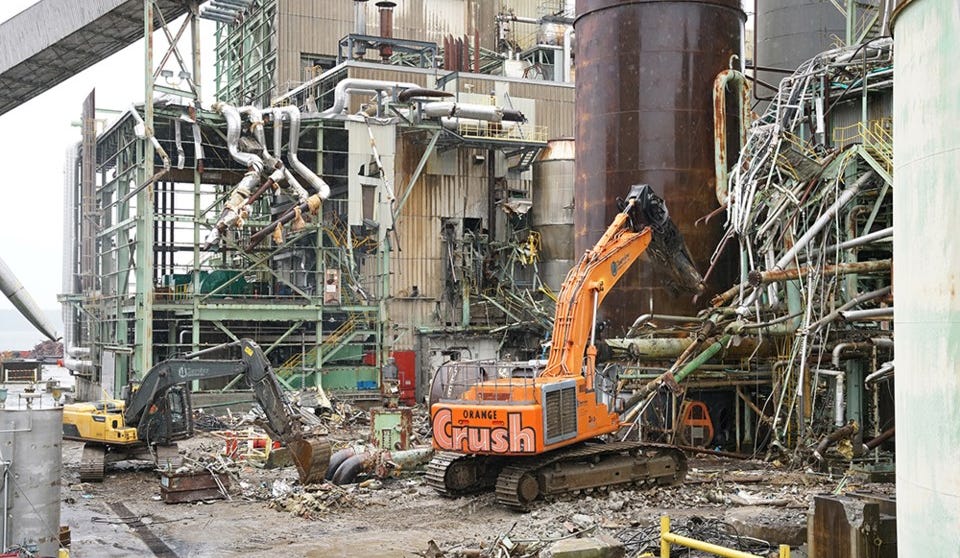
Like a lot of forestry towns, the City of Powell River is having money problems.
For over a century, British Columbia has been cutting down trees faster than they can grow back. Now, mills across the province keep closing. For the communities that depend on them, it’s an existential crisis. In 2021, when Powell River’s tiskʷat paper mill closed, the city lost over two hundred good-paying union jobs (already down from 2,600 jobs during its peak in the 70s) and over $3.8 million in annual tax revenue.
On top of that, the cost of running a city keeps growing. Powell River’s draft 2026-2030 Financial Plan paints a depressing picture of rising costs and shrinking revenues. A new collective agreement between the city and unionised staff accounts for a ten per cent increase to its operating budget. General inflation, another two per cent. The library is asking for a seven per cent increase.
It’s not just inflation. A lot of the city’s infrastructure was built back in the mill’s glory days, when money was easy and Powell River was one of the wealthiest municipalities in Canada. It’s starting to crumble. The rec complex, built in 1975, is nearing its end of life. The pool is in desperate need of a new roof, expected to cost $7 million. Pool staff and programming alone cost the city nearly a million dollars each year. Maintaining roads and transportation infrastructure, another $9 million.
Cops are getting more expensive, too. Historically, Powell River has only been responsible for seventy per cent ($2.4 million) of the local RCMP’s operating budget, and the federal government covers the rest. But, once the population hits fifteen thousand (which is expected in this year’s census), the city will be on the hook to cover ninety per cent. By 2027, the RCMP will cost Powell River $5 million annually.
Most urgently, we really need more housing. For years, the rental vacancy rate has been stuck below two per cent, allowing landlords to inflate rents. We’ve got homeless camps for the first time in generations. According to the city’s 2024 housing needs report, we need to build 1,771 new affordable housing units in the next fifteen years. There’s no shortage for rich people. Capitalism is doing its thing, and we’ve already “achieved 5-year and 20-year housing needs for market-rate rental housing and [are] on track to see sufficient construction of for-purchase homes for above-moderate and high-income households.”
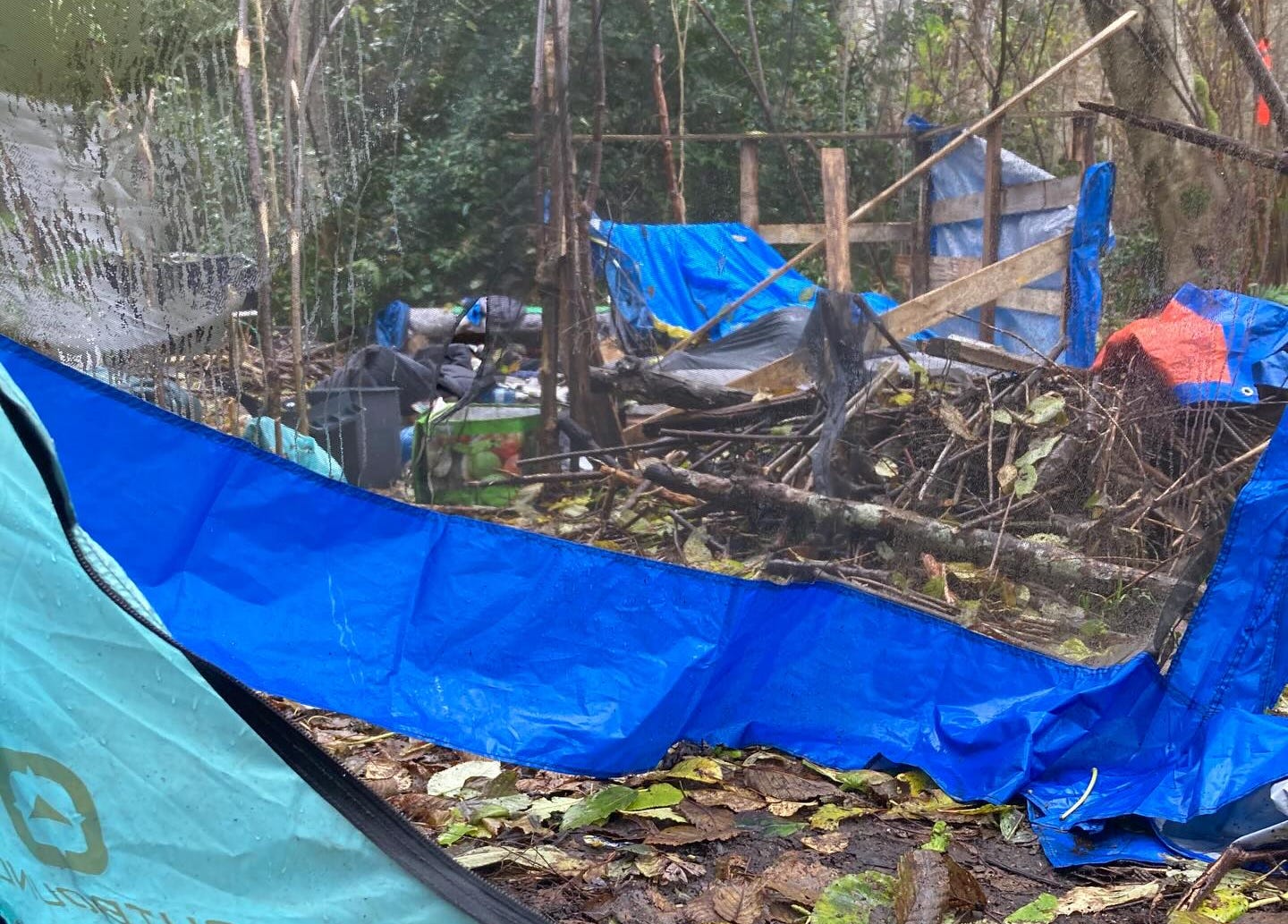
It’s the working class, seniors, and people with disabilities who are left in the lurch. Their housing isn’t profitable enough for private developers. As the city’s report says, building affordable housing will “require substantial significant investment from senior levels of government.”
The problem is, senior levels of government aren’t doing much these days. They’ve been red-pilled by austerity. In its most recent budget, the Province permanently ended its Community Housing Fund, a $3.3‑billion program intended to help municipalities build affordable rental housing. The federal government is doing the same thing. Despite Carney’s big talk on housing, a recent Parliamentary Budget Officer report found the “Federal planned spending on housing programs is set to decline 56 per cent, from $9.8 billion in 2025-26 to $4.3 billion in 2028-29”

If we keep waiting for senior levels of government to meet our housing needs, we’ll be waiting a long time. As a 2024 report by the Union of BC Municipalities called “stretched to the limit” explains:
“Local governments are providing more and more public services in areas of provincial responsibility without a corresponding growth in revenue. They are increasingly stepping up to meet the needs of a growing population by filling gaps in provincial services while implementing costly new legislative requirements… Local governments require new revenue streams to address the gaps in provincial services, and to continue to support the Province in tackling the most pressing issues facing our communities: housing supply and homelessness, public safety, infrastructure deficits, and climate resiliency.”
history offers a solution
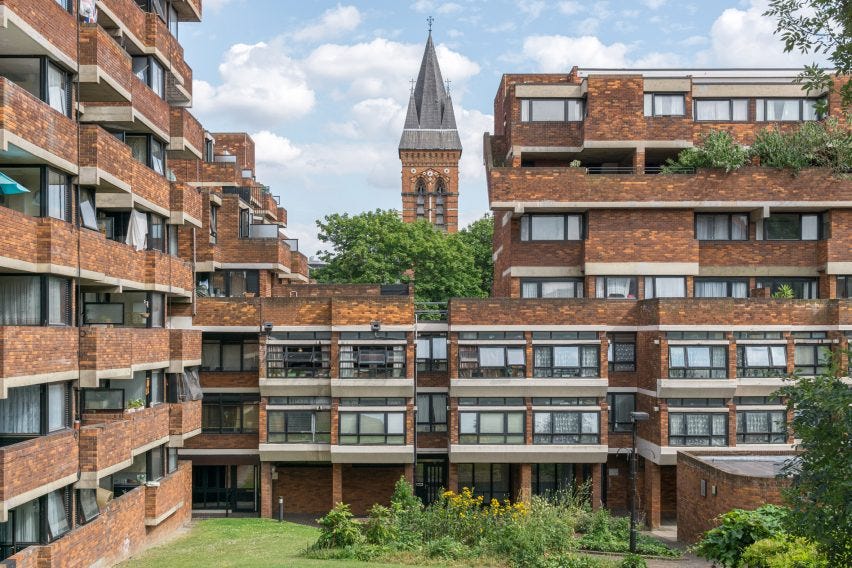
It’s important to recognise that the housing crisis isn’t new.
In fact, the political struggle over housing is so old that Dr Ricardo Tranjan, a Canadian economist, has argued there is no housing crisis. A crisis implies something unexpected or undesirable. But real estate speculation and landlordism are neither unexpected nor undesirable. They’re the foundation of our economy. Real estate, rentals, and leasing contribute over $56 billion annually to the provincial GDP - more than three times as much as mining, oil and gas, agriculture, and forestry combined.
The only people the system doesn’t work for are renters. In Tranjan’s words, “a housing system that serves all but one group is not in a state of crisis; it is one based on structural inequality and economic exploitation.”
British Columbia inherited its system of for-profit housing from Britain. The word landlord comes from the Old English landhlāford, a legal concept that dates back to the feudal system. Working-class Brits have been fighting against it for centuries. If we want to understand our alternatives, there’s no better place to look.

At the turn of the twentieth century, Britain’s situation wasn’t so different from ours today. It was the tail end of the Industrial Revolution, an era of inequality and economic stagnation — a country of Tiny Tims and Ebenezer Scrooges. Cities were flooded with poorly paid workers, and it was hard to find a decent place to rent. Landlords were price-gouging and making fistfuls of money.
Working people didn’t like being exploited. William Morris, the man behind the Arts and Crafts Movement, founded London’s Socialist League in 1885. Renters formed Tenant Defence Leagues. They organised rent strikes and demonstrations, and barricaded city streets to keep the cops out and save their neighbours from eviction.
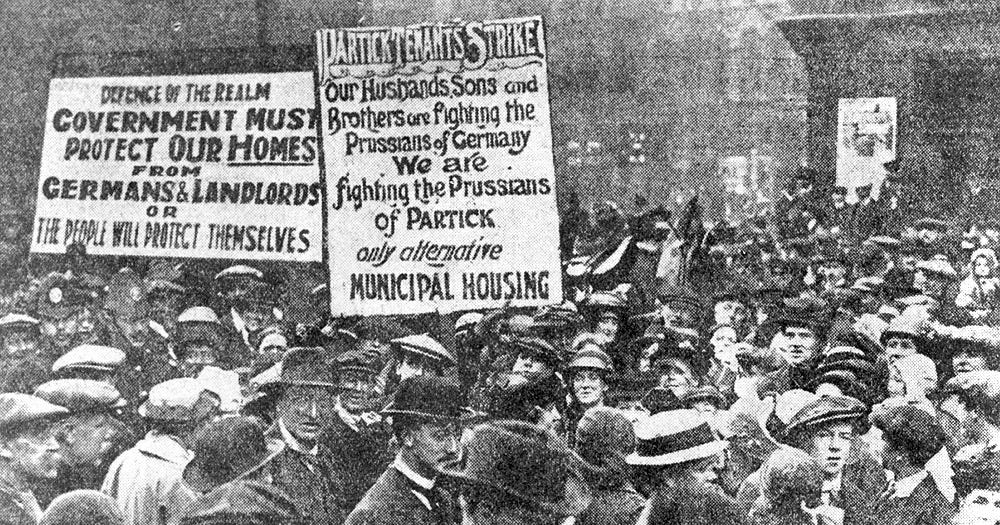
Eventually, resistance coalesced into an organised political movement – municipal socialism. Shelton Stromquist’s recently published book, Claiming the City: A Global History of Workers’ Fight for Municipal Socialism, gives a detailed account of how “urban workers invented a local politics that promised to democratize cities they might themselves govern and reclaim the wealth they created.”
One of the big goals of municipal socialism was to build democratically run, city-owned housing. In Britain, it’s called council housing. By 1914, it made up a modest one per cent of Britain’s housing.
But demand for affordable housing was unrelenting and, slowly, more and more housing came under municipal ownership. By 1938, council housing made up ten per cent of Britain’s housing stock. At the end of World War II, it really took off. By 1979, council homes were the majority of all rental housing. A quarter of Britain’s population lived in over five million publicly-owned homes. Rent was affordable.
The story of what happened to council housing in the years since and why Britain is in a housing crisis again would be a long tangent. Basically, it was sold off to private owners. If you’re curious, check out this BBC documentary: The Rise and Fall of the Council House.
The point I’m trying to make is:
the City of Powell River can and should build council housing
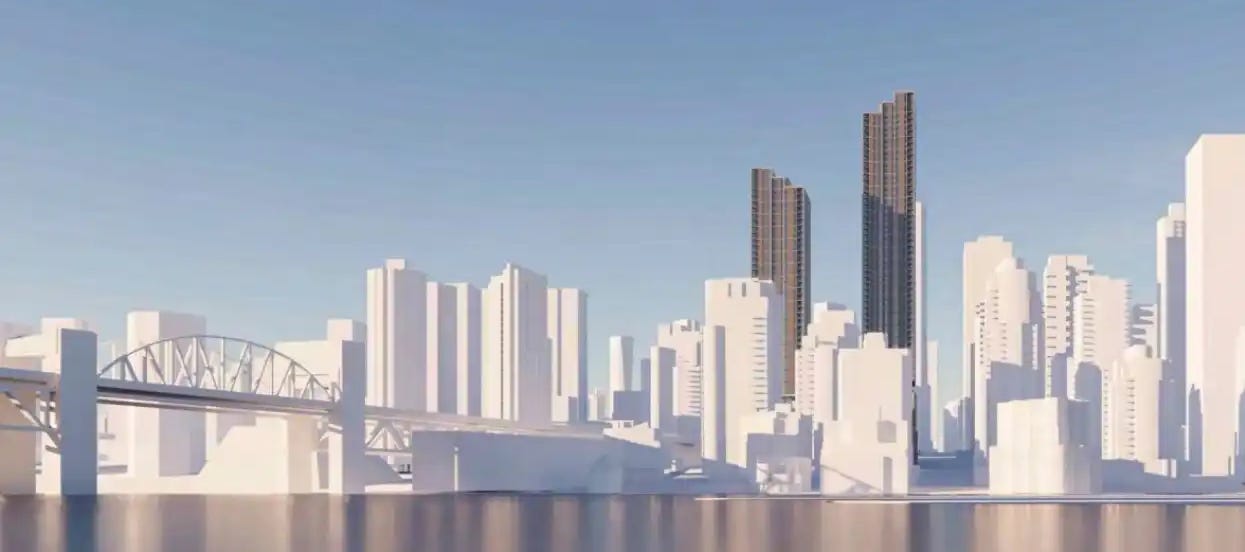
It’s not that crazy of an idea. Britain has been doing it for over a century. Recently, Vancouver started dabbling too. In 2024, the city approved a new policy, Rental Housing on City-Owned Land - Public Benefits Pilot Rezoning Policy.
To be clear, it’s only a partial step toward true council housing. In classic Vancouver fashion, the city is still trying to extract as much profit from tenants as possible. All six of the city’s proposed developments will be 100% market-rate rentals. None of the units will be affordable. My favourite politician and fellow history nerd, Vancouver city councillor Sean Orr, has spoken against it, saying:
“I have serious concerns that this is using a corporate vehicle to deliver market rental and generate returns rather than focusing on permanently affordable non-market public and cooperative housing, which our community urgently needs. This is intention without direction. Housing is a human right, and it cannot be simply seen as a business venture or revenue stream.… I heard reference that this is like Vienna. This isn’t Vienna. Vienna was socialism. This is neoliberalism. This is London. This is New York. This is enclosure of the commons.”
Still, Vancouver proves that city-owned rental housing is possible.
Powell River could do better. By building affordable city-owned rental housing, we could create a new municipal revenue stream and ease the housing crisis.
Quick thought experiment: if the city built 1,771 units of affordable housing (the amount we need) and rented them out at an average of $972/month (the amount considered deeply affordable), it would bring the city over $20 million in annual revenue. That’s five times as much as the mill paid in taxes.
Of course, building that much housing is expensive. But our city has a lot going for it.
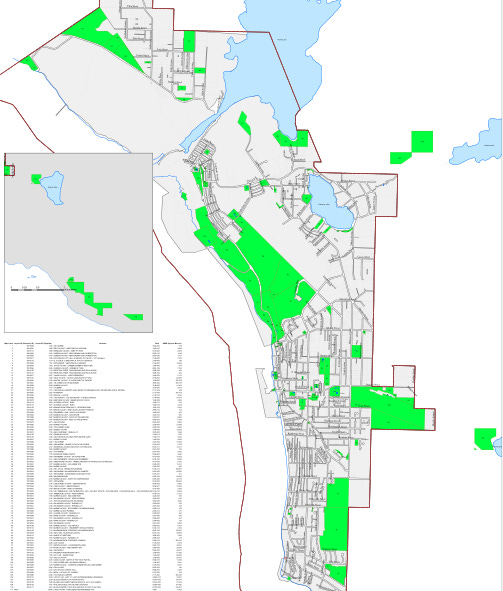
For starters, the city doesn’t need to buy land. It already owns lots - one hundred and forty-seven properties totalling nearly fifteen hundred acres, to be exact. Many of them are just sitting vacant and unused. Some could be sold off to finance the development of others.
The city has other advantages. It can streamline permitting and waive development charges. It could probably still wrangle a grant or two from the Province. Also, it still has money in the bank.
We don’t need to keep homeowners’ taxes artificially low. Homeowners can afford to pay more property tax. There’s a telling statistic buried in the city’s housing needs report – a whopping one in three renters are spending thirty per cent or more of their income on housing each month. For homeowners, it’s only one in twenty.
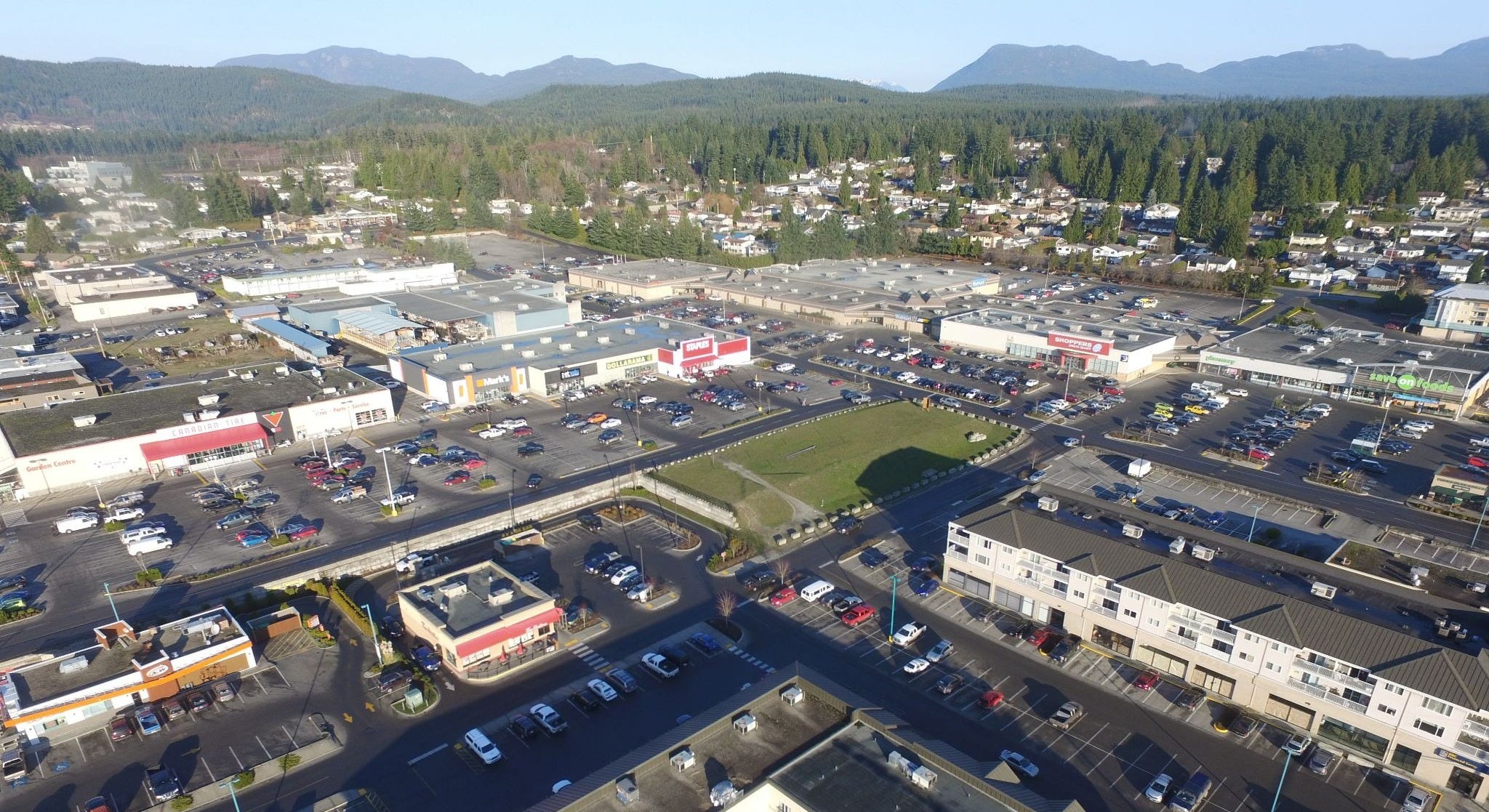
Aside from property taxes, there are other ways the city can raise funds. For example, it could tax parking. That’s how Vancouver funds its bus service and incentivises efficient land use. As a bonus, an absurd amount of the parking in our town is owned by Jimmy Pattison, the richest man in BC. He can afford to pitch in a bit.
in conclusion,
Powell River is in a tough spot. The mill is gone, there isn’t enough housing, and things keep getting more expensive.
But the city still has savings, property, assets, and taxable wealth.
We have a choice. We can keep property taxes low, cut services, and slowly dwindle our savings. Maybe in a few years, the Province will have money again and will finally build us the affordable housing we need. Maybe a data centre will move into the old mill site, create hundreds of jobs, and generate millions of dollars in revenue for the city. Maybe the old-growth forests will grow back.
Or, we could accept that the status quo doesn’t work anymore. We could stop waiting for senior levels of government to solve our problems and start doing things for ourselves. I can’t think of a better strategy than investing in affordable, city-owned rental housing.
Instead of paying someone else’s mortgage, tenants could help keep the pool open, buses running, and the library operating. Minimum wage workers, seniors, and people with disabilities could have stable and dignified housing.
With a bit of confidence and vision, Powell River could continue being one of the most affordable and attractive places to live on the West Coast.
You ask the questions that need to be asked/explored. Smaller, more rural communities unfortunately tend to be provincial - dare I say ignorant? - in what larger communities like Vancouver went through/continue to go through, around housing re: Why not learn from their experiences? When I attended a Courtenay city council meeting two years ago about a proposal in our neighbourhood, I was blown away by the city's ignorance that Vancouver offers lockers to the homeless out of the eliments, while in Courtenay the city's answer was just putting up a fence for the homeless' belongings next to a shelter. I easily found out Vancouver offers lockers for the homeless which became so popular it exceeded supply. Why can't smaller communities like Powell River and communities on Vancouver Island do this? But the real reason I wanted to comment is the 'hands off' approach by media and different levels of government around real estate/real estate industry. The comprehensive planning cities tout usually is less than comprehensive for the community's future needs. Zoning changes, large and small real estate developments, impacts on infrastructure (our city council approved a huge rental apartment complex without taking into consideration on roads/streets, utilities, services like fire and police, not to mention more traffic) seem to be ignored. Because 1 - The city reaps more revenue/taxes by approving developments and what many British Columbians fail to recognize that 2 - The province's long policy for communities to take on/squeeze in more housing to curb urban sprawl. As we enter spring, already is talk about the shortfall of enough water for the summer season. We need more creative ideas like you mentioned at the civic, regional and provincial levels around housing you cited in London over a century ago. The question is : Do we have the will as a collective society to think outside the box to look at the whole picture around housing for our citizens and how to pay for it that is also equitable and fair?
Some of the vacant land in PR you have mapped out is in the ALR (e.g. the pie-shaped piece in Wildwood), so the likely area suitable for development is smaller. Btw, the 585 acre property (PID: 010-267-361, formerly part of lot 450) has some excellent building sites, but some of it is in the ALR too. Do you know who own this land (usually attributed to a mysterious Chinese billionaire name "Mr Lu", who seems to be Shitao Lu and his son Hongquan Lu). Could any pressure be brought to bear to have them develop the land for housing? They are doing ongoing work there, including totally decimating at least one salmon-bearing stream.